
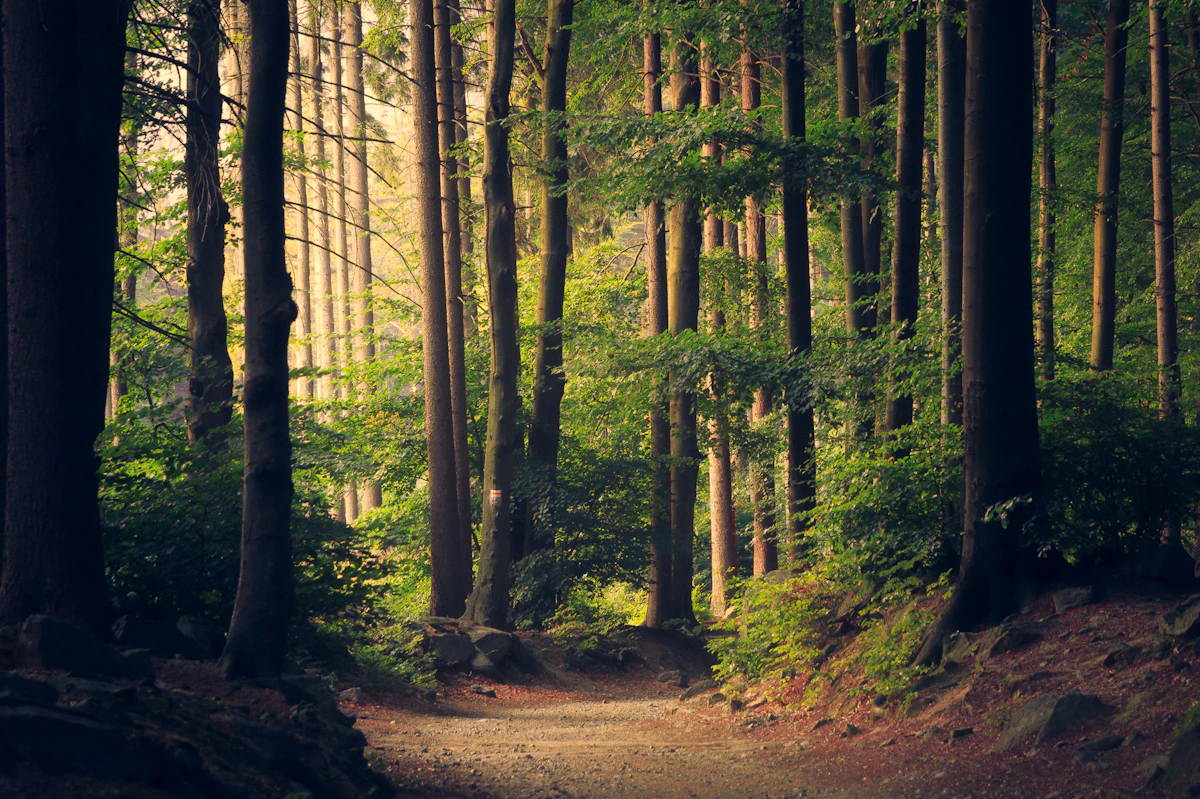
Urban greenways are much more than recreational amenities or transport links. These linear green spaces play an essential role in improving city ecosystems. By introducing native vegetation and natural soils into developed areas, greenways deliver significant ecosystem benefits that make our neighborhoods cleaner, cooler, and more resilient.
1. Reducing the Urban Heat Island Effect
Paved roads, parking lots, and building roofs absorb solar radiation, creating localized temperature increases. Greenways interrupt these heat-retaining surfaces by placing trees, shrubs, and native groundcover that cool local air through shade and transpiration.
- Transpiration cooling: Plants release water vapor, lowering surrounding temperatures naturally.
- Canopy shade: Mature trees reduce surface temperatures of paved walkways by up to 20°F.
- Energy reduction: Cooler urban air reduces air conditioning demands in nearby homes.
2. Mitigating Stormwater Runoff and Protecting Waterways
During heavy rains, non-permeable city surfaces force water into storm drains, carrying motor oil, heavy metals, and debris directly into local rivers and the ocean. Greenways act as natural filter systems, slowing and absorbing rainfall before it pollutes water systems.
3. Providing Habitat and Wildlife Corridors
As cities expand, natural wildlife habitats become isolated, making it difficult for animals to find food and mates. Greenways provide essential wildlife corridors that allow birds, small mammals, and insect pollinators to travel safely between larger forest reserves.
Conclusion
Investing in urban greenways is a highly effective way to combat local climate change, improve city water quality, and support regional biodiversity. By converting unused spaces into green corridors, we build healthier ecosystems for people and wildlife alike.