
Alternative Medicine
Choosing Your Medicine
Most of California’s medically-qualified patients obtain their medicinal cannabis through dispensaries. In fact, there are more than one hundred cooperatives, collectives, dispensaries and the like across the state. Upon entering Greenway you will notice a wide variety of medicinal cannabis in many different forms. At times the process of choosing medicine can be somewhat overwhelming and it is our goal to make your experience with us as enlightening and informative as possible. Please do not hesitate to ask the staff any and all questions you have about the medicine. Furthermore remember to consult your Physician for symptom specific treatments with medical cannabis. This booklet is designed to facilitate the determination process to most aptly suit your medical needs.
Due to the lack of standardization encompassing medical cannabis there is often a process of trial and error involved in choosing the correct medicine for you. Individual patients must decide the dosage, variety, and potency that most appropriately suit their conditions; Because of this provision patients must think objectively regarding the effects of different medication. Your feedback is obviously pivotal in establishing a body of anecdotal evidence which will consequentially further the well-being of the medical cannabis patient.
Most of California’s medically-qualified patients obtain their medicinal cannabis through dispensaries. In fact, there are more than one hundred cooperatives, collectives, dispensaries and the like across the state. Upon entering Greenway you will notice a wide variety of medicinal cannabis in many different forms. At times the process of choosing medicine can be somewhat overwhelming and it is our goal to make your experience with us as enlightening and informative as possible. Please do not hesitate to ask the staff any and all questions you have about the medicine. Furthermore remember to consult your Physician for symptom specific treatments with medical cannabis. This booklet is designed to facilitate the determination process to most aptly suit your medical needs.
Due to the lack of standardization encompassing medical cannabis there is often a process of trial and error involved in choosing the correct medicine for you. Individual patients must decide the dosage, variety, and potency that most appropriately suit their conditions; Because of this provision patients must think objectively regarding the effects of different medication. Your feedback is obviously pivotal in establishing a body of anecdotal evidence which will consequentially further the well-being of the medical cannabis patient.
Differences between Indica and Sativa.
The trial process that some patients encounter in deciding which medicine best suits their needs can be assisted by understanding the effects of different types of cannabis. The terms Indica and Sativa refer to subspecies within the species Cannabis sativa. While it is rare to find medicine today that is exclusively Indica or sativa, genetic predominance of one subspecies can lead to distinguishing effects between the two.
Refer to the table below for reference:
Science Behind the Medicine
While research on medical cannabis has been met with some federal skepticism, it is obvious that there are medical benefits to certain chemicals produced by the cannabis plant. The groups of chemicals that appear to exhibit the broadest range of human physiological effects are called Cannabinoids. These chemicals are found primarily in hair like projections called trichomes. Near the apex of a trichome is a glandular secretory cell called a disc cell (Mahlber, Paul, 2004). The building blocks for basic cannabinoid molecules are secreted by plastids and vacuoles of the disc cell and travel to a secratory chamber. Cannabinoids are unique to the genus Cannabis. There are over 60 known types of Cannabinoids (Burnes, Ineck, 2006) with many of them having unknown physiological effects. Some of the most pharmacologically active, and most heavily researched, Cannabinoids include:
THC
Teterahydrocannabinol
-Primary psychoactive component of genus Cannabis.
-Found predominantly in C. sativa.
-Mimics the action of anadamide (a naturally produced neurotransmitter).
-Attaches in higher concentrations to cannabinoid receptors in the brain to create a cerebral effect.
THCV
Tetrahydrocannabivarin
-Found predominantly in C. Indica.
-The shorter hydrocarbon chain (near the bottom right of the figure) is believed to cause a more intense yet shorter lasting effect.
-Blocks cannabinoid receptors in the brain to cause a more somatic effect.
CBD
Cannabidiol
-Found predominantly in C. Indica.
-Has greater affinity for cannabinoid receptors located on specific cells of the immune system (T cells).
-Believed to be the main cannabinoid associated with anti-inflammatory responses.
-Focal point of many medical studies due to positive physiological reactions and lack of psycho activity.
CBN
Cannabinol
-Non psychoactive cannabinoid concentrated in C. sativa.
-Thought to manipulate anti-body production.
-Some research shows potential to fight microbial infection by increasing anti-body production.
Teterahydrocannabinol (THC) is believed to be the main pharmacological active cannabinoid and has exhibited a wide range of physiological effects including dilation of bronchioles of the lung and decreased pressure on the eye. Some antioplastic (anti-cancerous) activity has been attributed to THC’s ability to inhibit certain DNA synthesis. CBD appears to increase coronary flow without increasing heart rate along with antiepileptic and muscular relaxation activity. The effects of CBN have only been exhibited intravenously and include anticonvulsive and a decrease blood clotting activity (Grotenhermen, Russo, 2002).
The human body produces an endogenous (self-made) cannabinoid called anandamide (named after the Sanskrit word for bliss). This molecule acts as a neurotransmitter in the pain perception pathways (among others) in the brain and spinal cord. THC appears to be roughly 4 to 20 times more effective in stimulating these nerves as endogenous anandamide. This endogenous molecule appears to be extremely important in the pain management systems of the human body. (Grotenhermen, Russo, 2002).
The medical significance of Cannabinoids in undeniable and hopefully with time certain restrictions will be lifted pertaining to medical cannabis research. Cannabinoids are labeled by researches and physicians alike as being an extremely exciting new frontier for therapeutic drug discovery. Lester Grinspoon, an emeritus professor of psychiatry at Harvard, once wrote “The mountain of accumulated anecdotal evidence that pointed the way to the present and other clinical studies also strongly suggests there are a number of other devastating disorders and symptoms for which Cannabis has been used for centuries… If Cannabis were a new discovery rather than a well-known substance carrying cultural and political baggage, it would be hailed as a wonder drug.” Please do your part by researching the scientific benefits of medical cannabis and lobby your local congressperson to create serious reform to medical cannabis research and usage laws.
Works Cited
(n.d.). Retrieved Feb 2007, from www.feminizedseed.com/science.
Burns TL, I. J. (Feb 2006). Cannabinoid analgesia as a potential new therapeutic option in the treatment of chronic pain. The Annals of Pharmacotherapy , 251-60.
Grotenhermen, R. (2002). Cannabis and Cannabinoids: Pharmacology, Toxicology, and Therapeutic Potential. Haworth Press.
Mahlber, K. (n.d.). Hemp Report. Retrieved from www.hempreport.com
Mahlberg, P. G. (Volume 9, Number 1, 9 June 2025 ). Accumulation of Cannabinoids in Glandular Trichomes of Cannabis. Journal of Industrial Hemp , pp. 15-36(22).
Starks, M. (1977). Cannabis Chemistry. Oakland : Ronin Publishing

 GREENWAY SANTA CRUZ
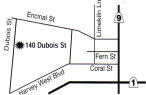
140 Dubois Street, Santa Cruz, CA 95060
831.420.1640
[email protected]
Business Hours: Monday - Saturday, 9am to 7pm, Sunday, 10am to 6pm
Content copyright . Greenway Santa Cruz. All rights reserved.